What Does a New Shower Really Cost?
So, you're thinking about replacing your shower. Smart move. It's one of the most-used spots in your bathroom, after all, and a fresh one can really change things up. I mean, it impacts both how your bathroom looks and how you feel when you start your day. But let's be honest, the first thing everyone asks is, "How much is this actually going to cost me?"
Look, I've been doing this work for a long time here in Hawthorne, and I can tell you straight up: there's no single price for a new shower. It's not like buying a carton of eggs, you know? But I can give you some solid price ranges based on what I see every single day. For a basic, working shower replacement – we're talking a simple fiberglass or acrylic insert, probably a new valve and showerhead, and just some basic plumbing tweaks – you're likely looking at somewhere between $4,000 and $8,000. This covers a pretty straightforward swap, no big layout changes, and definitely no fancy tile work.
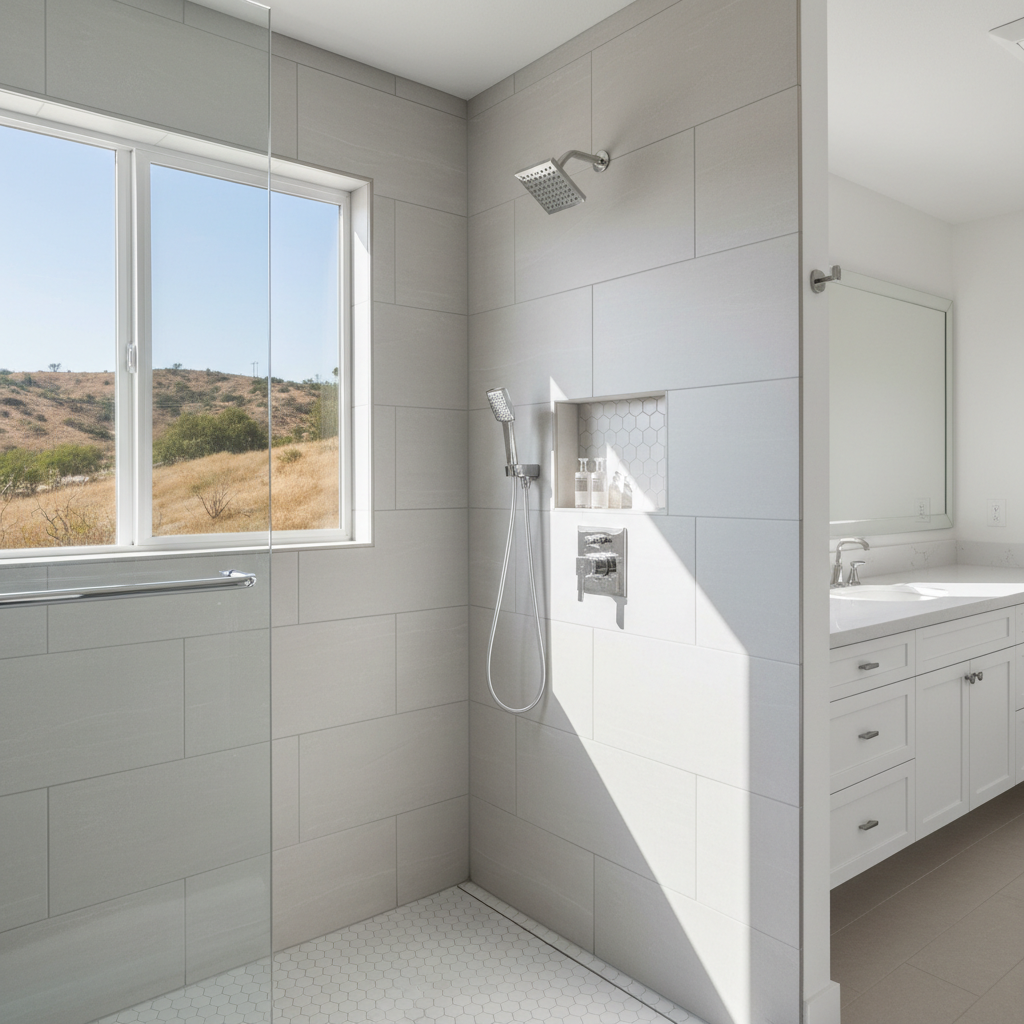
Now, if you want to step up to a tiled shower, maybe a custom pan, a little niche for your shampoo, and a nice glass enclosure, that's where the price really jumps. For a good quality tiled shower, using decent materials and getting it professionally installed, expect to pay anywhere from $8,000 to $15,000. And if you're going all out – custom glass, high-end fixtures, really intricate tile patterns, perhaps even moving walls or relocating plumbing – you could easily be looking at $15,000 to $25,000 or more. It honestly just depends on how far you want to take it, doesn't it?
What Makes the Price Go Up or Down?
A few key things really push the cost one way or the other. Understanding these will help you guess where your project might land:
- Materials: This is a huge factor. A pre-fab acrylic shower pan and surround kit is way cheaper than a custom-built tiled shower with a waterproof membrane and expensive porcelain or natural stone tiles. Same goes for the fixtures – a basic chrome showerhead costs a lot less than a multi-function rain shower system complete with body jets.
- Labor: Good labor isn't cheap, and cheap labor usually isn't good. You're paying for skill, experience, and the peace of mind that comes with proper licensing and insurance. Tiling, for instance, takes more time and expertise than just popping in a pre-fab unit. And plumbing adjustments, especially if we're moving drain lines or supply lines, definitely add to those labor costs.
- Demolition & Prep: Pulling out the old shower, especially if we find mold or water damage hiding behind the walls (which, sadly, we sometimes see in older Hawthorne homes, particularly those built in the 50s and 60s with original plumbing), adds time and cost. Proper waterproofing is absolutely essential for a tiled shower, and that's a labor-intensive process, believe me.
- Fixtures & Features: Beyond just the basic showerhead, things like built-in niches, bench seats, steam units, multiple showerheads, or those sleek frameless glass enclosures all add to your total bill.
- Plumbing Reroutes: If you're just replacing a shower in its exact spot, plumbing costs are usually pretty minimal. But if you want to move the shower to a different wall or change its size a lot, then we're talking about rerouting supply lines and drain lines. That's a much bigger job.
What Should Be in Your Quote?
When you get a quote from a contractor, make sure it's detailed. You really don't want any surprises popping up later. Here's what a good quote from Hawthorne Bathroom Construction, or any reputable company, should include:
- Demolition: What exactly is coming out? Old tile, the shower pan, walls?
- Disposal: How will they get rid of the old materials from your property?
- Framing & Substrate: Any necessary framing adjustments, new cement board, or other wall prep.
- Waterproofing: Specifics on the waterproofing system they'll use (e.g., Schluter Kerdi, RedGard). This part is absolutely critical.
- Shower Pan: Whether it's a pre-fab pan or a custom mud pan.
- Tile Installation: If you're getting tile, this includes the setting materials and grout.
- Plumbing: New valve, showerhead, spout, and any necessary drain work.
- Glass Enclosure: What type of glass (framed, semi-frameless, frameless), the hardware finish, and installation.
- Cleanup: A good contractor cleans up the job site daily and does a thorough job at the very end.
- Permits: Most shower replacements, especially if plumbing is involved, need permits. Your contractor should handle this.
How to Avoid Overpaying (and Underpaying)
Getting a fair price means doing your homework, plain and simple. Here's my best advice:
- Get Multiple Quotes: Don't just go with the first guy who comes along. Get at least three detailed quotes from licensed and insured contractors. This helps you compare apples to apples, right?
- Be Specific: The more details you can give us about what you want, the more accurate our quote will be. Show us pictures, tell us your preferences – it all helps.
- Don't Always Pick the Lowest Bid: I've seen it way too many times. The lowest bid often means corners are being cut, or they've simply missed something. You usually end up paying more in the long run to fix shoddy work. Good work just costs money.
- Understand the Materials: Do a little research on the types of materials you want. Knowing the difference between ceramic and porcelain tile, or various shower valves, helps you make smart decisions.
- Ask About Warranties: What kind of warranty do they offer on their work? What about the materials themselves?
A shower replacement is a solid investment in your home and, let's be honest, your daily comfort. Do it right, and you'll enjoy it for years to come. Cut corners, and you'll definitely regret it. If you're in Hawthorne and thinking about a new shower, give us a call. We're happy to walk you through the options and give you a clear, honest quote.